EspaƱol Download PDF

Brochures

Before Treatment

Safety and Eligibility

Stimulation effects can include voice changes, cough, shortness of breath, throat or neck discomfort, tingling, and difficulty swallowing; some may improve with programming adjustments. Surgical risks include incision pain, swelling, bleeding, infection, scarring, and possible nerve or vocal-cord injury.

  • VNS cannot be used after a left vagotomy; short-wave, microwave, and therapeutic ultrasound diathermy are prohibited
  • MRI requires device-specific planning, and the patient magnet is MR unsafe
  • Review heart rhythm, breathing, sleep apnea, swallowing, pregnancy, and other implanted devices
  • Report painful stimulation, incision changes, worsening depression, or suicidal thoughts promptly

Will the battery need to be replaced?

Yes. Battery life varies with device settings. The VNS team checks battery status during follow-up and plans a generator-replacement procedure before the battery is depleted.

Questions to ask before implantation

  • Who will activate and program the device after surgery?
  • Which imaging or procedures require VNS-specific precautions?
  • What incision care, activity limits, and support should I plan after surgery?

Individual results and coverage vary. A clinical evaluation is required.

Questions?

We are here to help.

Our team can review treatment fit, scheduling, and next steps.

Jacksonville 904-853-5867 4141 Southpoint Drive EastSuite AJacksonville, FL 32216
San Juan 787-558-5888 525 Ave Franklin D RooseveltSuite 1214San Juan, PR 00918
www.BioMentalClinic.com contact@biomentalclinic.com

Who places the device?

The device is implanted by a trained surgeon. BioMental Clinic can help evaluate psychiatric fit, coordinate referral planning, and manage device settings after implantation.

Compassionate care. Science-backed results.

Vagus Nerve Stimulation

For Chronic or Recurrent Depression

  • FDA-approved
  • Implanted device
  • Long-term treatment
  • Personalized programming
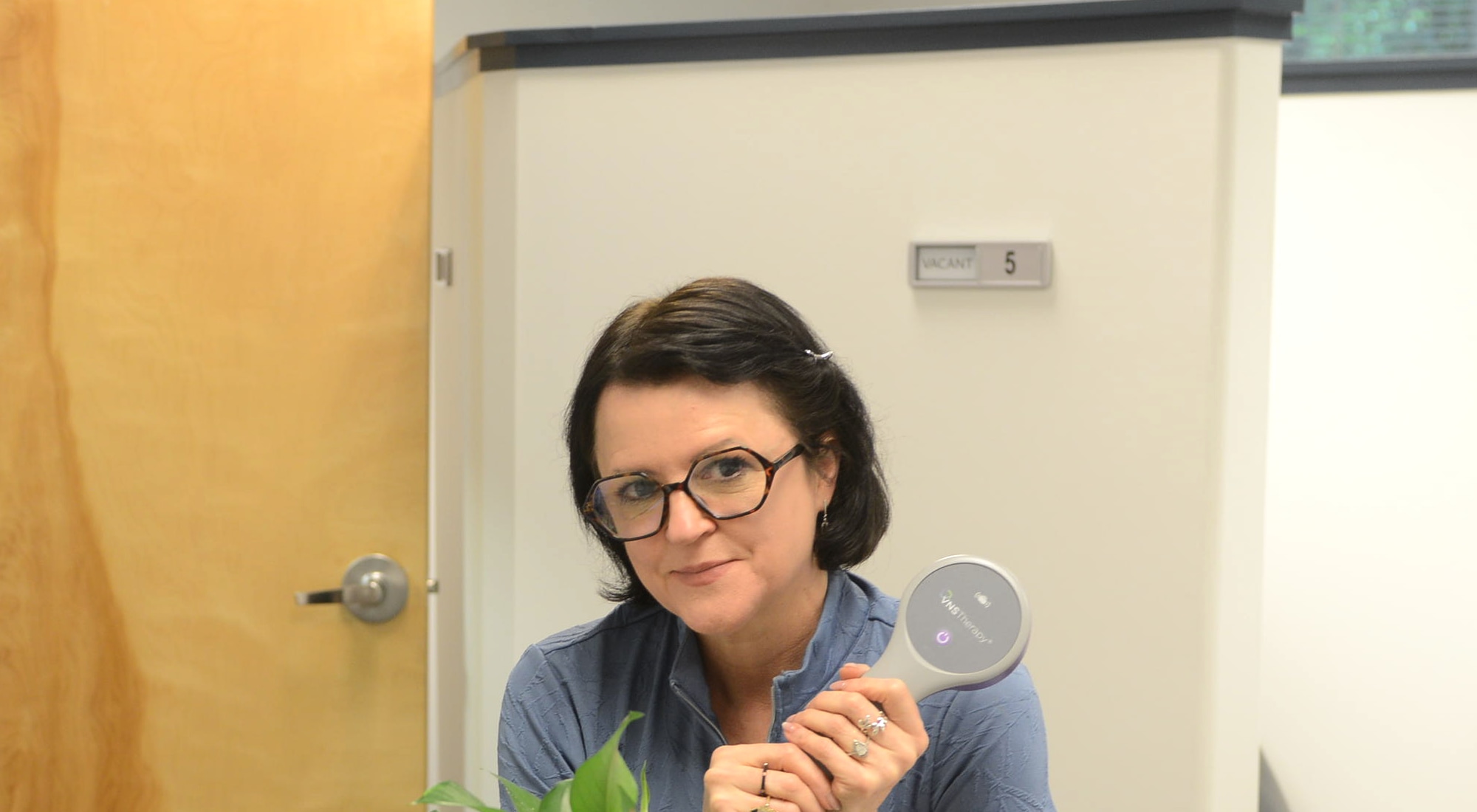
BioMental physician holding a VNS programming wand
904-853-5867www.BioMentalClinic.com

When Depression Remains Despite Multiple Treatments

If you or someone you care about continues to struggle despite multiple medications, psychotherapy, or neuromodulation treatments, it does not mean you have failed. Another long-term option may help.

VNS Therapy is FDA-approved as an adjunctive long-term treatment for adults 18 and older who are experiencing a major depressive episode with chronic or recurrent depression and have not responded adequately to four or more adequate antidepressant treatments. Improvement usually develops gradually and may continue building over several months. BioMental Clinic evaluates whether VNS may fit and coordinates care with current providers and surgical specialists.

What Would Feeling Better Look Like?

Recovery is more than a symptom score. Meaningful progress may include:

  • Starting the day more consistently
  • Reconnecting with people, routines, or activities
  • Thinking more clearly and making decisions more easily
  • Managing sleep, self-care, and responsibilities more reliably

What Is VNS Therapy?

Vagus nerve stimulation, or VNS, uses a small pulse generator implanted under the skin of the chest. A thin lead connects the generator to the left vagus nerve in the neck, and the device sends mild, scheduled electrical pulses through pathways linked to mood regulation.

Settings can be adjusted during office visits without another operation. VNS Therapy is FDA-approved as an adjunctive long-term treatment for adults 18 and older with chronic or recurrent depression during a major depressive episode who have not had an adequate response to four or more adequate antidepressant treatments.

Your Care Team Can Stay Involved

BioMental can manage psychiatric evaluation, activation, programming, and device follow-up while you continue routine care with a trusted therapist, prescriber, or medical team.

Some patients later choose to consolidate care. You do not need to decide immediately; with your permission, clinicians can share progress and coordinate treatment changes.

Who Typically Considers VNS Therapy?

VNS is generally considered later in the treatment pathway. Because it is adjunctive, medication, psychotherapy, and other clinically appropriate depression care may continue after implantation while benefit develops.

  • Are 18 or older and currently experiencing a major depressive episode with chronic or recurrent depression
  • Have not responded adequately to four or more adequate antidepressant treatments
  • Can safely undergo implantation and participate in long-term programming and follow-up

Evaluation, Implantation, and Programming

BioMental reviews psychiatric candidacy and, with your permission, coordinates records and planning with your current clinicians.

A primary care clinician and VNS-trained surgeon assess medical safety and explain anesthesia, recovery, and risks. Implantation usually takes 1-2 hours as an outpatient procedure. Plan for a ride home and follow the surgeon's recovery instructions.

At least 14 days later, BioMental activates the device and gradually adjusts settings while monitoring symptoms, functioning, and side effects. Other appropriate depression care may continue.

At a Glance

Adjunct Treatment type
18+ Age
Gradual Benefit

Living With the Device

  • Carry your VNS identification and patient magnet
  • Tell medical, imaging, dental, and surgical teams about VNS; contact the VNS team before an MRI and keep the magnet out of the scanner room
  • Use the magnet only as instructed and report painful or unusual stimulation promptly

Insurance and Patient Access

Coverage depends on diagnosis, documented treatment history, medical necessity, and plan requirements; prior authorization is usually required. BioMental can assemble records and, for eligible commercially insured patients, coordinate with the LivaNova Patient Access Program on authorization or appeals. Timelines vary by payer.