EspaƱol Download PDF

Brochures

Before Treatment

Safety Review Before Treatment

dTMS may not be appropriate for everyone. Important safety considerations include:

  • Certain metal implants in or near the head
  • Certain implanted electronic devices
  • A seizure history, brain injury, or another condition that may increase seizure risk

Does insurance cover dTMS?

In Florida, Medicare and most major commercial plans cover TMS for qualifying MDD. Medical-necessity documentation and prior authorization are typically required. We verify benefits, explain expected costs, and guide authorization before treatment. In Puerto Rico, we verify Medicare and private-plan coverage individually.

In Clinical Trials

A 2024 analysis of five randomized studies involving 507 adults with treatment-resistant depression found:

Response 45% with active dTMS vs. 24% with sham treatment
Remission 38% with active dTMS vs. 14% with sham treatment

In Clinical Practice

A real-world study of 1,351 BrainsWay H1 Coil patients reported the following among patients with available ratings after 30 sessions:

Response 82%
Remission 65%

Clinical-trial and real-world results should not be compared directly because populations and methods differed.

Response means symptoms decreased at least 50%. Remission means symptoms became minimal.

Sources: Lan et al. (2024); Tendler et al. (2023).

Questions?

We are here to help.

Call, email, or visit our website to ask questions, review treatment fit and insurance benefits, or schedule an evaluation.

Jacksonville 904-853-5867 4141 Southpoint Drive EastSuite AJacksonville, FL 32216
San Juan 787-558-5888 525 Ave Franklin D RooseveltSuite 1214San Juan, PR 00918
www.BioMentalClinic.com contact@biomentalclinic.com

How long do results last?

Benefits may continue for months or longer, but duration varies. Follow-up care may include medication or psychotherapy adjustments, continuation or maintenance sessions, or another TMS course if symptoms return. Contact the team early if depressive symptoms begin to return.

Compassionate care. Science-backed results.

For Major Depressive Disorder

  • FDA-cleared
  • Non-invasive
  • Well tolerated
  • Medicare and insurance coverage
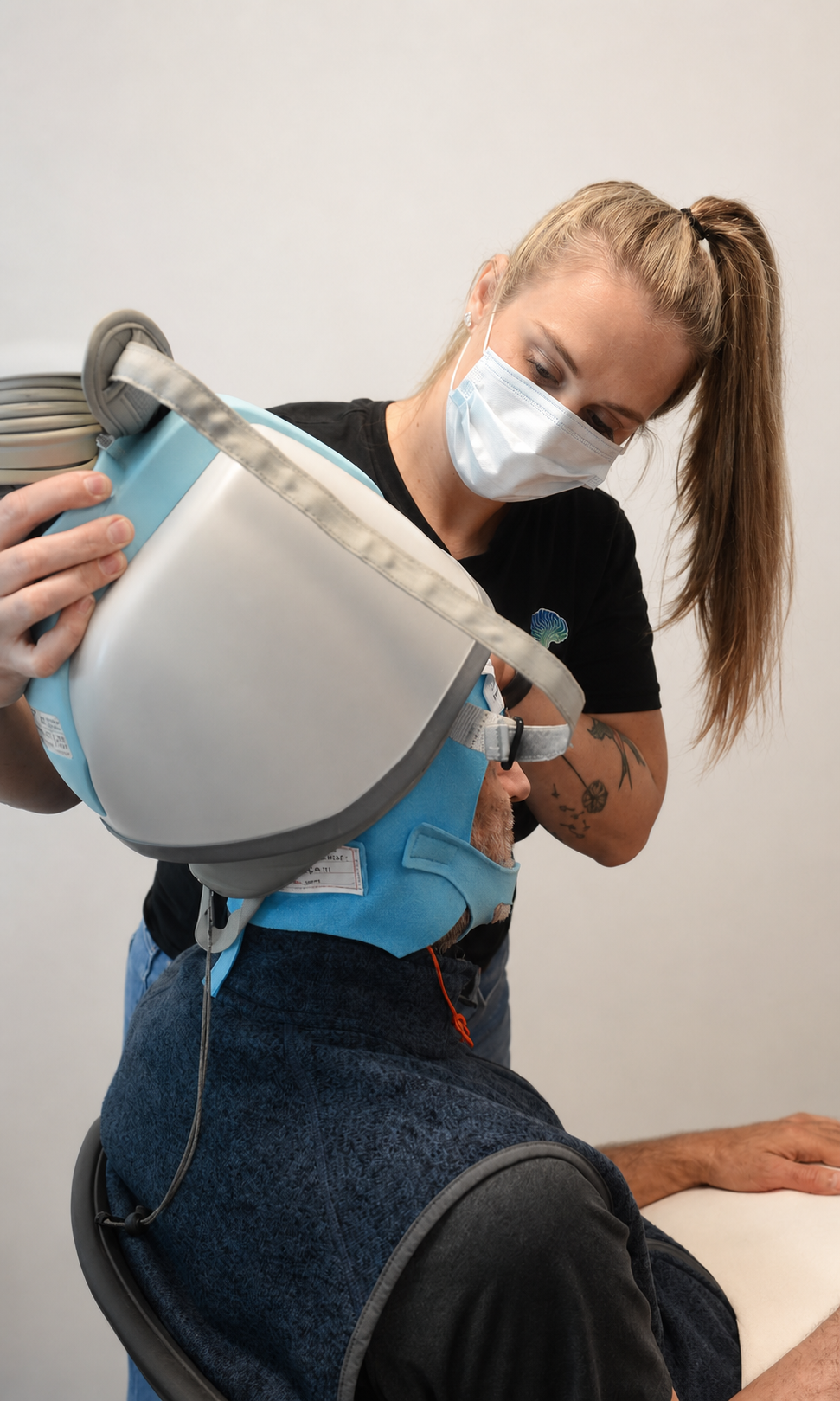
Clinician positioning a dTMS helmet for treatment
904-853-5867www.BioMentalClinic.com

When Depression Treatment Is Not Enough

If you or someone you care about is still struggling despite medication or therapy, it does not mean you have failed. Deep transcranial magnetic stimulation (dTMS) is a non-invasive, office-based treatment for adults with major depressive disorder whose symptoms have not improved enough with antidepressant medication.

BioMental brings more than 20 years of psychiatric experience and nearly a decade caring for people with treatment-resistant conditions. We provide access to advanced, evidence-based, FDA-cleared treatments and coordinate with you and your current providers.

What Would Feeling Better Look Like in Daily Life?

Recovery is more than a symptom score. Before treatment, our team reviews your symptoms, medical and treatment history, and personal priorities. Together, we develop a treatment plan with realistic goals focused on progress, not perfection. Those goals may include:

  • Getting out of bed and starting the day more consistently
  • Regaining interest in people, routines, or activities
  • Improving concentration for work, school, reading, or decisions
  • Managing sleep, self-care, and daily responsibilities more reliably

What Is dTMS?

dTMS is a non-invasive treatment that delivers magnetic pulses through a cushioned helmet. For depression, the pulses stimulate the left dorsolateral prefrontal cortex and connected brain networks involved in mood regulation, with the goal of reducing depression symptoms.

The BrainsWay depression protocol is FDA-cleared for depressive episodes in adults with major depressive disorder whose symptoms have not improved enough with antidepressant medication during the current episode. dTMS may be part of a broader plan that includes medication, psychotherapy, and other appropriate treatments.

Treatment Without Downtime

Treatment does not require anesthesia, sedation, surgery, hospitalization, or a recovery period. You remain awake and seated, and most patients return to work, school, driving, or other usual activities afterward.

Because dTMS does not circulate through the body like medication, it is not generally associated with systemic medication effects such as weight gain or sexual side effects. Temporary discomfort at the treatment site can occur.

Is dTMS an Option for Me?

dTMS may be worth discussing when significant depression symptoms continue despite treatment.

Your evaluation reviews your diagnosis, symptoms, medications and supplements, neurologic and medical history, seizure risk, alcohol or substance use, implanted devices, and treatment goals.

  • You have tried antidepressant medication without enough relief
  • Medication side effects have been difficult to tolerate
  • You have participated in psychotherapy, or are currently in therapy, but significant symptoms continue


What to Expect During Treatment

Your first treatment visit is longer and includes head measurements and motor-threshold mapping. This establishes the helmet position and personalizes the stimulation level.

Later sessions are scheduled on weekdays during the initial treatment phase, followed by taper or continuation visits when recommended.

Progress is measured throughout treatment using symptom scales, treatment tolerability, and the daily-life goals identified at the beginning of care.

Typical Treatment Schedule

10-20 Minutes per session
4-6 Weeks of weekday visits
36-44 Common total sessions

Common Side Effects

The most common effects are temporary headache or scalp, facial, or jaw discomfort, especially early in treatment. A seizure is a rare but serious potential risk.

Tell the team during treatment

  • Any medication, supplement, or dose change
  • A new health condition, procedure, or implanted device
  • Significant changes in sleep, alcohol use, or substance use
  • Worsening depression, unusual behavior, or new safety concerns