EspaƱol Download PDF

Brochures

Before Treatment

Safety Review Before Treatment

Accelerated dTMS is not appropriate for everyone. The same TMS safety screening applies before an accelerated schedule is considered.

  • Seizure disorders or increased seizure risk
  • Certain metal, magnetic, or implanted devices above the shoulders
  • Implanted electronic devices that may be affected by magnetic fields
  • Medication changes, heavy alcohol use, severe sleep loss, or urgent safety concerns that need clinical review

Is accelerated dTMS covered by insurance?

Coverage varies by insurance plan. Because the SWIFT protocol is newer and includes multiple same-day sessions, many plans currently cover only one session per day. Our billing team verifies benefits and discusses available options. If accelerated treatment is not covered, standard dTMS may be covered. Self-pay options are also available.

Tradeoffs to Plan For

Acute visits require approximately half a day, with five sessions and required breaks. Standard treatment uses shorter visits across more days and may better fit some patients' routines or stamina.

Fewer clinic days does not mean care ends after two weeks. Four weekly continuation visits and follow-up remain part of the treatment plan.

Questions?

We are here to help.

Our team can review treatment fit, scheduling, and next steps.

Jacksonville 904-853-5867 4141 Southpoint Drive EastSuite AJacksonville, FL 32216
San Juan 787-558-5888 525 Ave Franklin D RooseveltSuite 1214San Juan, PR 00918
www.BioMentalClinic.com contact@biomentalclinic.com

Why Choose Accelerated dTMS?

SWIFT offers outcomes comparable to standard dTMS with fewer days traveling to the clinic. It may make treatment more manageable when work, caregiving responsibilities, transportation, or distance make frequent visits difficult.

  • Fewer trips: six half-day acute visits within two weeks, followed by four weekly continuation visits
  • Concentrated schedule: several longer treatment days may be easier to arrange than repeated weekday appointments
  • Potential for earlier improvement: the randomized study found a shorter median time to remission with SWIFT, although individual timing varies

For Depression, Including Anxiety Symptoms

  • FDA-cleared protocol
  • Condensed schedule
  • Non-invasive
  • Self-pay options
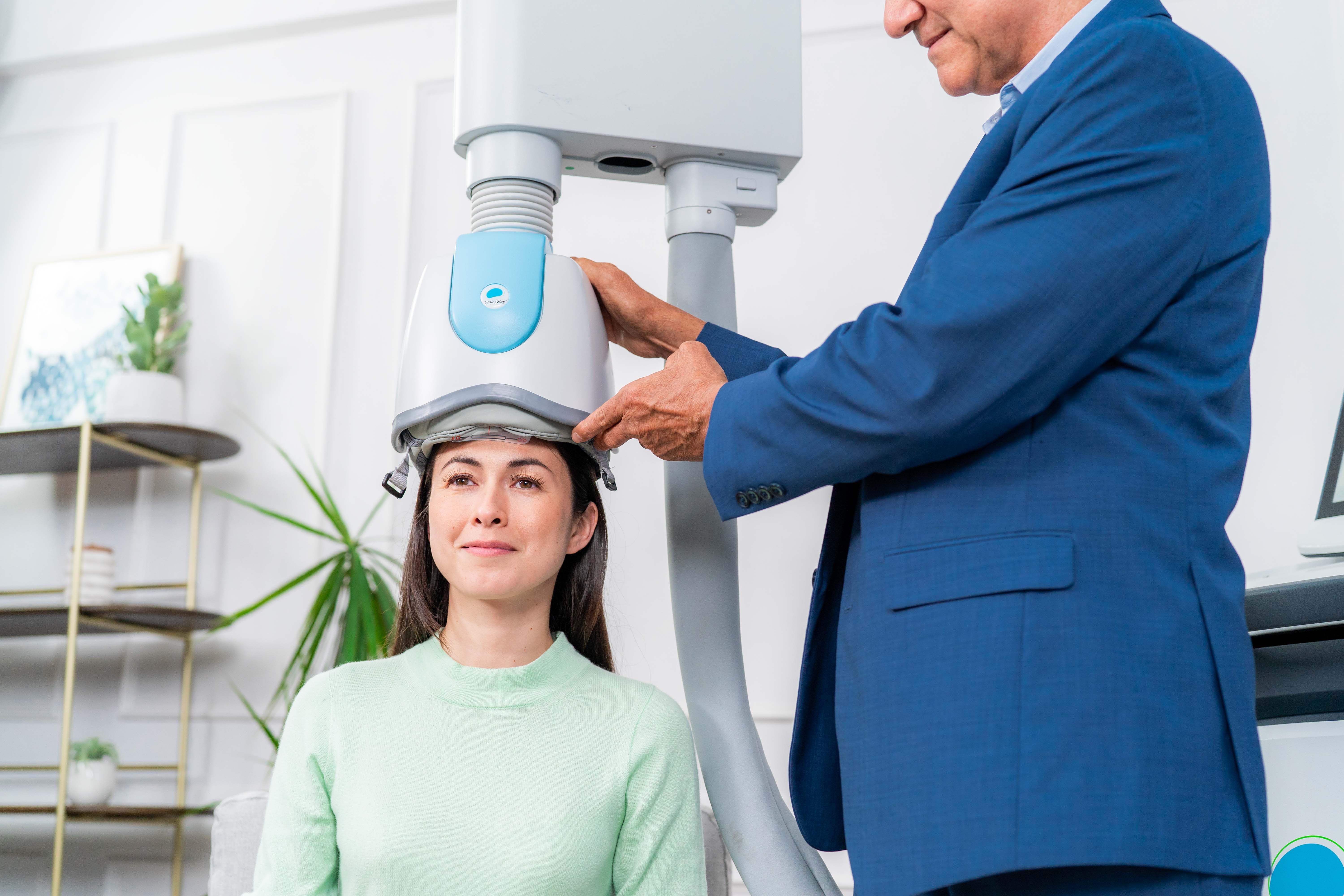
Patient being fitted with the blue dTMS helmet
904-853-5867www.BioMentalClinic.com

Complete Treatment in Fewer Clinic Days

If you or someone you care about continues to struggle with depression despite medication or other treatments, another option may help.

Accelerated deep transcranial magnetic stimulation (dTMS) is a non-invasive, office-based treatment for adults with major depressive disorder (MDD) whose symptoms have not improved enough with antidepressant medication. It may fit when earlier improvement is important or traveling to the clinic every weekday is difficult.

TMS uses magnetic stimulation to target brain networks involved in mood regulation. BioMental Clinic brings more than 20 years of psychiatric experience and nearly a decade caring for people with treatment-resistant conditions to each coordinated recovery plan.

What Is Accelerated dTMS?

SWIFT stands for Short-Course With Intrinsic Field Targeting. It condenses standard dTMS into fewer treatment days for adults with Major Depressive Disorder.

In September 2025, the FDA cleared the accelerated BrainsWay protocol for adults with MDD, including those with comorbid anxiety symptoms, after insufficient improvement with antidepressant medication in the current episode.

SWIFT vs. Standard dTMS

Measure SWIFTStandard
Sessions per day 51
Acute schedule 6 days within 145 weekdays for about 4 weeks
Acute clinic days 620
Session length About 10 minAbout 20 min
Practical difference Fewer, longer visitsMore, shorter visits

Treatment schedules may vary based on clinical needs, response, tolerability, and insurance coverage.

What to Expect on Treatment Day

Treatment is provided while you remain awake and seated; no anesthesia, surgery, or hospitalization is required. Five approximately 10-minute sessions are scheduled throughout the day, with at least 50 minutes between sessions. During breaks, you may relax, eat, or take a walk while we monitor comfort and tolerability.

Most patients can resume regular activities, including driving, afterward. Individual recommendations may vary based on symptoms, side effects, and the treatment plan.

  • Example arrival: 9:00 a.m.; afternoon schedules may also be available
  • Example session times: 9:00 a.m., 10:00 a.m., 11:00 a.m., noon, and 1:00 p.m.
  • Bring meals, snacks, medications, and something to enjoy; example departure is about 1:30 p.m.

Evidence Snapshot

In the randomized non-inferiority trial, accelerated and standard response rates were 87.8% and 87.5%; remission rates were 78.0% and 87.5%. Median time to remission was 21 and 28 days, respectively. Results vary, and accelerated treatment is not automatically superior.

At a Glance

6 Acute visit days within 14 days
5 Sessions per acute day
4 Weekly continuation visit days

Who May Be a Fit?

Accelerated dTMS may be considered for adults with Major Depressive Disorder who have not improved enough with antidepressant medication and want to review a condensed treatment schedule.

  • Able to complete six longer acute-phase visits within 14 days and four weekly continuation visits
  • Comfortable receiving five sessions with at least 50 minutes between sessions on each acute treatment day
  • May benefit from fewer clinic days because of work, transportation, or travel distance