EspaƱol Download PDF

Brochures

Before Treatment

Safety and Eligibility

Common temporary effects can include dissociation, dizziness, nausea, sedation, vertigo, anxiety, increased blood pressure, vomiting, feeling drunk, and headache. SPRAVATO is not appropriate for everyone. Older adults and people with multiple medical conditions may need additional coordination with their medical team. A clinical review should include:

  • Certain blood-vessel conditions or a history of bleeding in the brain
  • Blood pressure, cardiovascular, or cerebrovascular concerns
  • Pregnancy, breastfeeding, or substance-use risk
  • All medications, including sedatives, stimulants, and MAO inhibitors

What should I confirm before each visit?

Follow the clinic's instructions about eating, drinking, and medications, and confirm your transportation home. Tell the team about medication or health changes before dosing.

When to get help

  • Contact the team about effects that last longer than expected.
  • Report urinary symptoms, medication or substance-use changes, or worsening mood or behavior.
  • Seek urgent care for chest pain, shortness of breath, sudden severe headache, vision changes, or seizure.

Individual results and coverage vary. A clinical evaluation is required.

Questions?

We are here to help.

Our team can review treatment fit, scheduling, and next steps.

Jacksonville 904-853-5867 4141 Southpoint Drive EastSuite AJacksonville, FL 32216
San Juan 787-558-5888 525 Ave Franklin D RooseveltSuite 1214San Juan, PR 00918
www.BioMentalClinic.com contact@biomentalclinic.com

Can I keep seeing my current therapist or prescriber?

Yes. A SPRAVATO consultation does not require you to transfer the rest of your care. With your permission, BioMental can share findings and coordinate treatment with your existing mental health and medical clinicians.

Compassionate care. Science-backed results.

SPRAVATO

For Treatment-Resistant Depression

  • FDA-approved
  • REMS-certified setting
  • At least 2 hours of monitoring
  • Prior authorization common
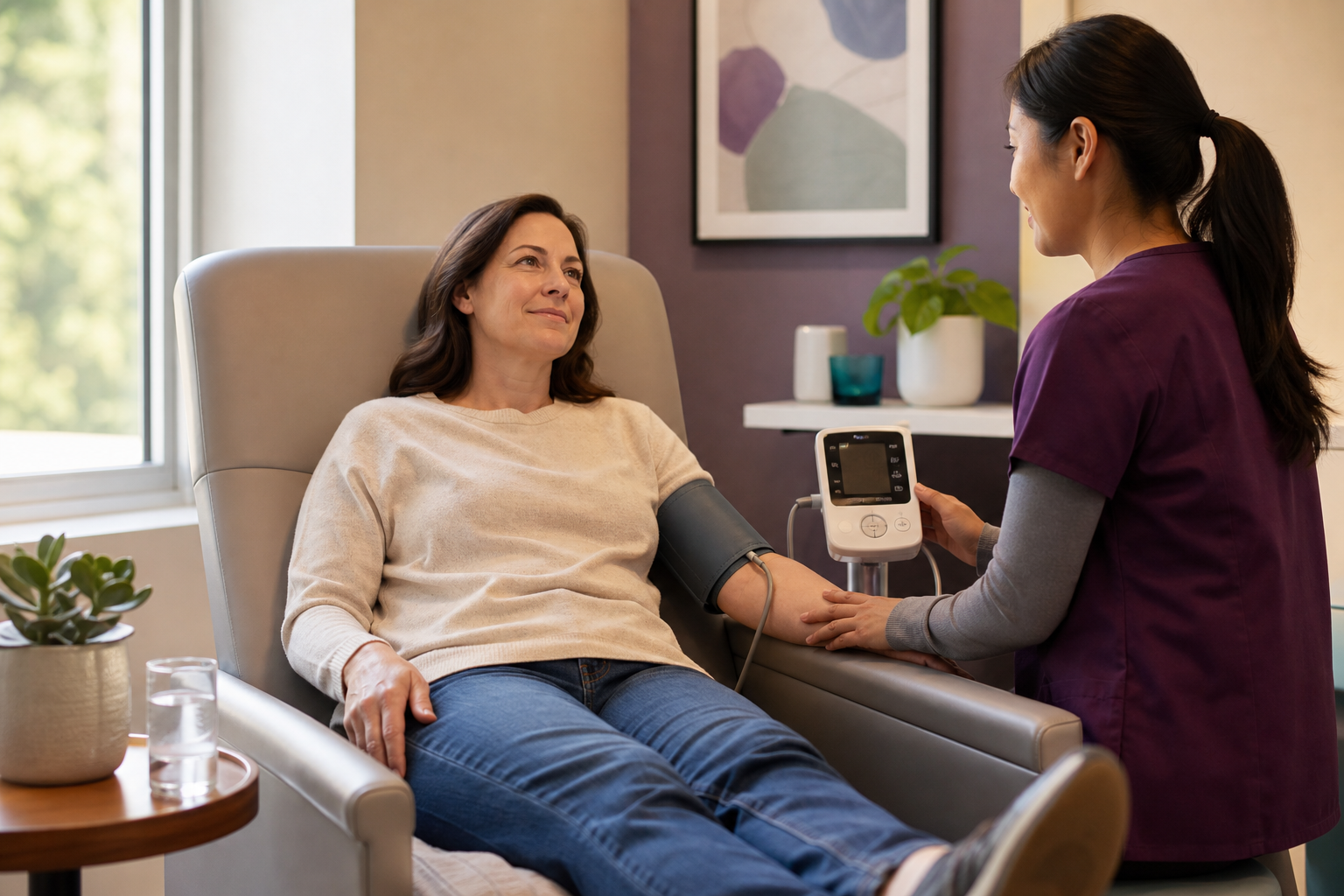
Patient resting while a clinician monitors blood pressure
904-853-5867www.BioMentalClinic.com

When Depression Treatment Is Not Enough

If you or someone you care about is still struggling despite medication or therapy, it does not mean you have failed. Another treatment option may help.

SPRAVATO (esketamine) is an FDA-approved nasal spray for adults with treatment-resistant depression. Esketamine is related to ketamine but is administered differently: patients use SPRAVATO under direct clinical supervision in a certified healthcare setting. For TRD, it may be used alone or with an oral antidepressant.

BioMental Clinic brings more than 20 years of psychiatric experience and nearly a decade of caring for treatment-resistant conditions. We provide a coordinated path from evaluation and insurance authorization through treatment and follow-up care.

What Would Feeling Better Look Like in Daily Life?

Before treatment begins, identify changes that would make daily life feel more manageable:

  • Starting the day more consistently
  • Reconnecting with people, routines, or activities
  • Thinking more clearly at work, school, or home
  • Managing sleep, self-care, and daily responsibilities

What Is SPRAVATO?

SPRAVATO is an FDA-approved esketamine nasal spray for adults with treatment-resistant depression, often called TRD. TRD generally means depression has not improved enough after at least two adequate antidepressant treatments during the current episode.

Patients self-administer SPRAVATO under direct supervision. It is not dispensed for home use and is available only through certified healthcare settings participating in REMS, an FDA-required safety program.

How Is SPRAVATO Different?

Many traditional antidepressants act on serotonin, norepinephrine, or dopamine. SPRAVATO works differently through the brain's glutamate system.

SPRAVATO blocks NMDA receptors and is believed to promote changes in brain-cell connections, sometimes called neuroplasticity. Its exact antidepressant mechanism is not fully understood, but this different pathway may help some patients whose symptoms have not improved enough with other treatments.

From Evaluation to First Treatment

You may be referred by a current clinician or contact BioMental directly. Either path begins with a coordinated clinical and practical review:

  • Gather records and review your diagnosis, prior antidepressants, current medications, and safety considerations, coordinating with your existing clinicians when authorized.
  • If treatment is appropriate and you decide to proceed, complete REMS enrollment, benefits review, and prior authorization.
  • After medication delivery is confirmed, schedule treatment, arrange a ride home, and review individualized preparation instructions.


What Happens on Treatment Day

At check-in, the team confirms preparation instructions and transportation, reviews health or medication changes, and checks blood pressure.

You self-administer the nasal spray under clinical supervision. Staff guide the process and monitor how you respond.

You rest under observation for at least two hours; a support person may stay when appropriate. Your provider decides when you can leave. Do not drive or perform safety-sensitive tasks until the next day after restful sleep.

At a Glance

2+ hr Monitoring
2x/week Weeks 1-4
Required Ride home

Schedule and Progress

For TRD, treatment is commonly twice weekly in weeks 1-4, weekly in weeks 5-8, then weekly or every other week. Rating scales, follow-ups, daily functioning, tolerability, and preferences guide continuation and frequency. The least frequent schedule that maintains benefit is used. If symptoms return after a pause, the team can reassess restarting.

Insurance and Authorization

Many plans cover SPRAVATO when medical criteria are met; prior authorization is common. BioMental reviews benefits, documents prior antidepressant trials, and explains expected costs. If denied, the team can review the reason and appeal when clinically appropriate.