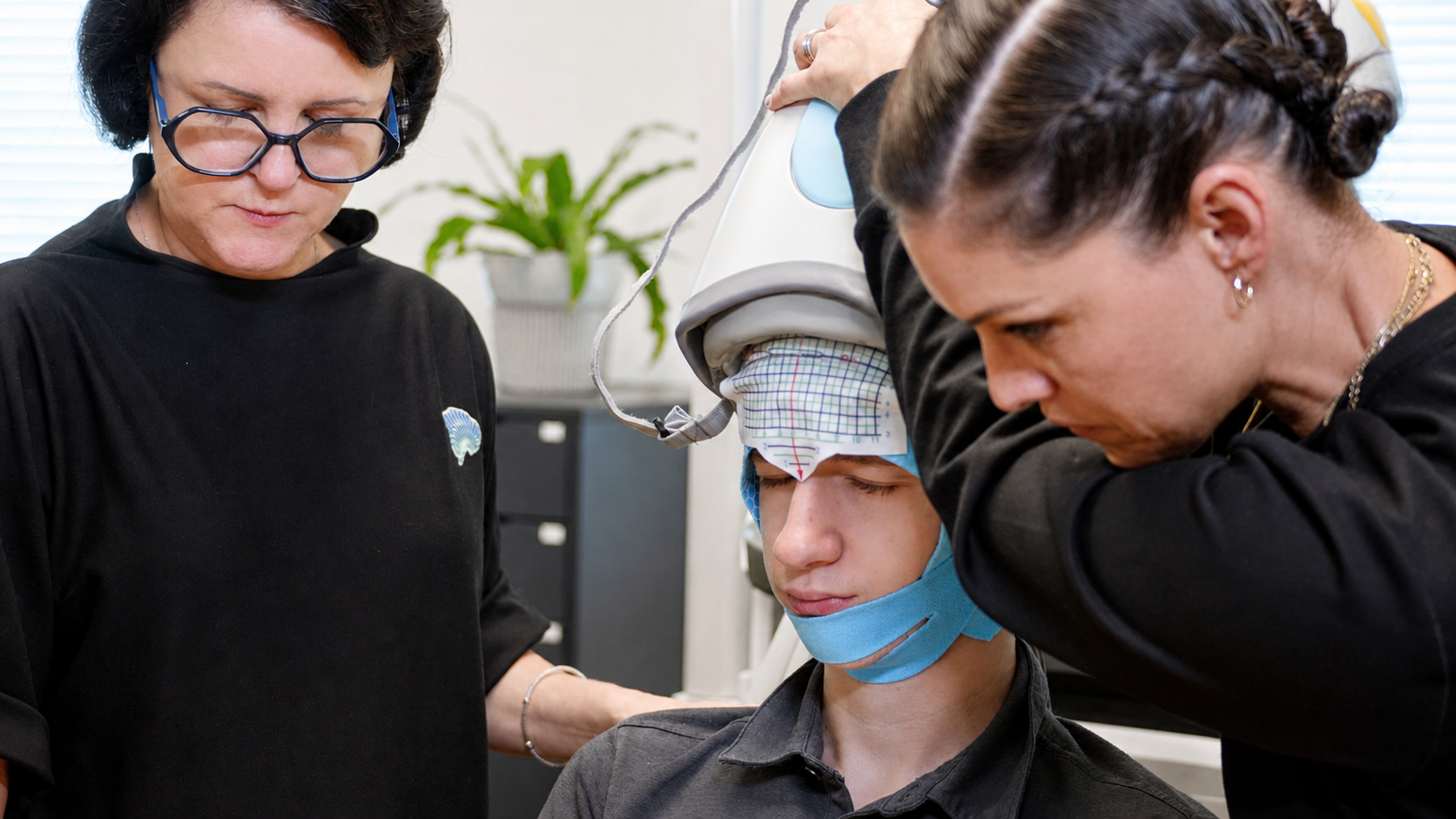
What Is dTMS?
Deep transcranial magnetic stimulation, or dTMS, is a non-invasive treatment that delivers magnetic pulses through a cushioned helmet. For depression, the pulses stimulate the left dorsolateral prefrontal cortex and connected brain networks involved in mood regulation.
BrainsWay Deep TMS is FDA-cleared as an adjunct treatment for depressive episodes in adolescents and young adults ages 15-21 with Major Depressive Disorder whose symptoms have not improved enough with antidepressant medication during the current episode. It may be part of a broader plan that includes medication, psychotherapy, and other appropriate treatments.
When May dTMS Be Considered?
dTMS may be worth discussing when significant depression symptoms continue despite treatment. A comprehensive evaluation reviews diagnosis, symptoms, treatment history, medications, medical and neurologic history, implanted devices, seizure risk, and personal goals.
- Depression remains moderate to severe, disrupts daily life, or repeatedly returns
- Therapy and antidepressant medication have not provided enough improvement
- Medication side effects have been difficult to tolerate
Treatment Without Downtime
Treatment does not require anesthesia, sedation, surgery, hospitalization, or a recovery period. Patients remain awake and seated, and most can return to school or other usual activities afterward.
Because dTMS does not circulate through the body like medication, it is not generally associated with systemic medication effects such as weight gain or sexual side effects. Temporary discomfort at the treatment site can occur.