EspaƱol Download PDF

Brochures

Before Treatment

Safety Review Before Treatment

dTMS may not be appropriate for everyone. Your provider will review medical history, smoking history, medications, and treatment goals.

  • Seizure disorders or increased seizure risk
  • Certain metal, magnetic, or implanted devices above the shoulders
  • Other medical conditions that require clinical review

Does insurance cover dTMS for smoking cessation?

Insurance coverage is currently limited, and most plans do not cover this treatment. Our team can verify your benefits and explain self-pay options.

Evidence Snapshot

In the pivotal randomized H4 study, active treatment increased the likelihood of achieving four consecutive smoke-free weeks through week 18:

  • FDA primary analysis: 17.1% with active treatment vs. 7.9% with sham
  • Published completer analysis: 28.0% with active treatment vs. 11.7% with sham

These analyses involved different participant groups and should not be compared directly. H4 dTMS is FDA-cleared as an aid to short-term smoking cessation; individual results vary.

Sources: FDA 510(k) summary (2020); Zangen et al. (2021).

Individual results and coverage vary. A clinical evaluation is required.

Questions?

We are here to help.

Our team can review treatment fit, scheduling, and next steps.

Jacksonville 904-853-5867 4141 Southpoint Drive EastSuite AJacksonville, FL 32216
San Juan 787-558-5888 525 Ave Franklin D RooseveltSuite 1214San Juan, PR 00918
www.BioMentalClinic.com contact@biomentalclinic.com

What else should I know before deciding?

Motivation helps, but nicotine dependence is not simply a matter of willpower. Cravings and withdrawal may still occur, and common treatment effects include temporary headache or scalp, facial, or jaw discomfort. H4 dTMS is FDA-cleared as an aid for short-term smoking cessation in adults; its effectiveness for vaping, nicotine pouches, and chewing tobacco has not been established.

Compassionate care. Science-backed results.

For Cigarette Smoking Cessation

  • FDA-cleared H4 Coil
  • Non-invasive
  • Well tolerated
  • Self-pay options available
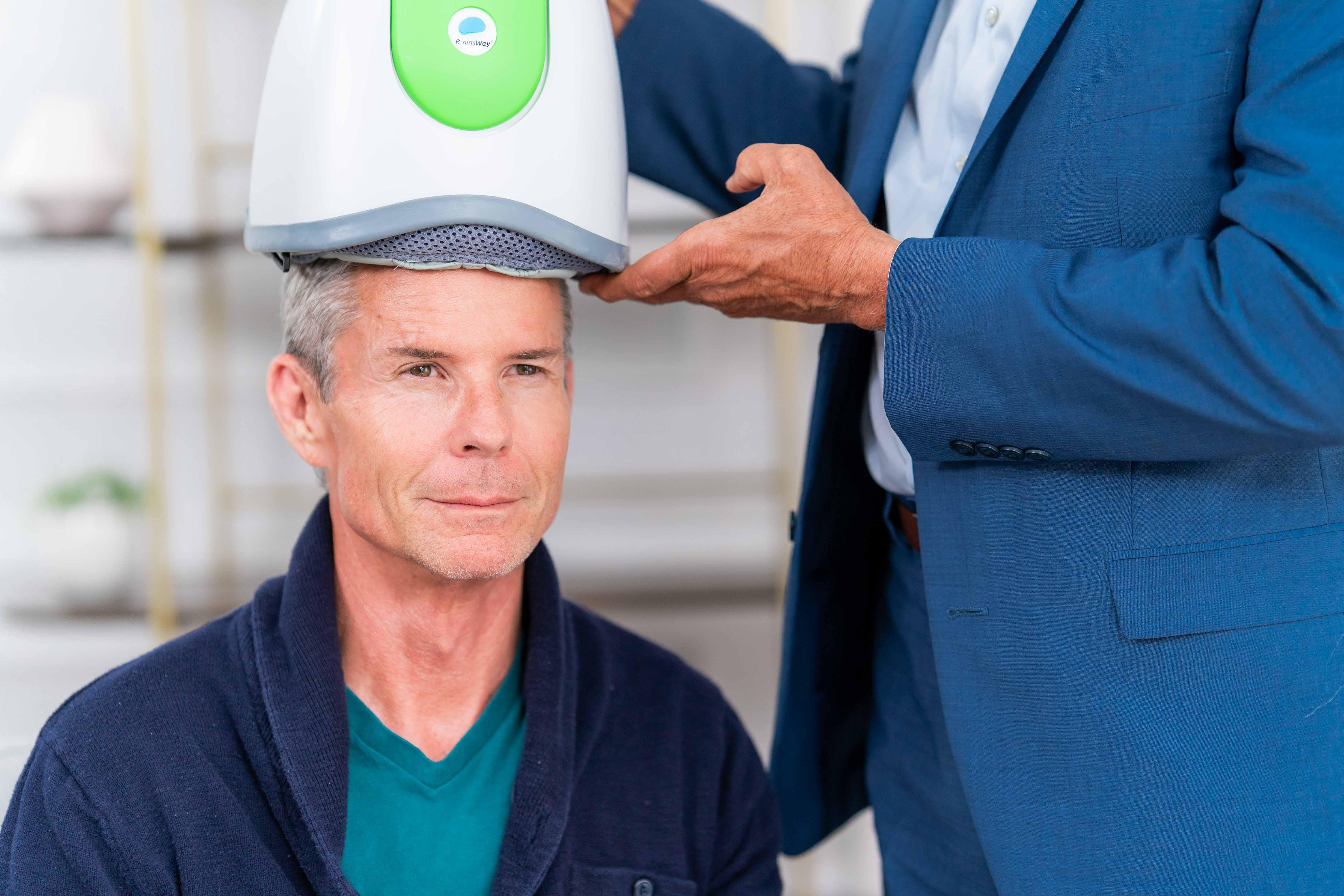
Patient receiving treatment with the green dTMS helmet
904-853-5867www.BioMentalClinic.com

When Quitting Cigarettes Has Been Difficult

If quitting cigarettes remains difficult despite medication or other support, it does not mean you have failed. Reviewing past attempts can identify added medical, behavioral, and practical support.

Deep transcranial magnetic stimulation (dTMS) with the H4 Coil is an FDA-cleared, non-invasive office treatment that aids short-term smoking cessation in adults.

BioMental brings nearly a decade of TMS experience and more than 20 years of psychiatric and addiction care to each structured quit plan. You are not alone; we can help.

Preparing for a Comprehensive Evaluation

A comprehensive evaluation can identify medical, behavioral, and practical factors that may make quitting more difficult. Together, we determine whether dTMS fits a coordinated plan that may include counseling, trigger-management strategies, and medication when appropriate.

  • Estimate how many cigarettes you smoke daily and how soon you smoke after waking
  • Bring information about previous quit attempts, including what helped or caused side effects
  • List nicotine products, bupropion, varenicline, and other current medications
  • Confirm that weekday treatments for three weeks, followed by weekly visits for three weeks, are practical

What Is dTMS for Smoking Cessation?

dTMS is a non-invasive treatment that uses magnetic pulses to stimulate areas of the brain involved in addiction and impulse control.

BrainsWay's FDA-cleared H4 Coil stimulates the prefrontal cortex and insula, brain regions involved in addiction. It is an aid to quitting rather than a guarantee or replacement for a structured quit plan.

Can I Use Patches or Medication?

Possibly. When clinically appropriate, dTMS may be combined with nicotine replacement, bupropion, varenicline, counseling, or behavioral support such as contingency management.

How Can Contingency Management Help?

Contingency management uses small, immediate rewards to reinforce verified progress, such as attending treatment or reaching smoke-free milestones.

At BioMental Clinic, you may choose a quit date and complete brief breath tests. Verified milestones may earn an agreed-upon reward, such as a gift card. A lapse does not end treatment; support continues and the plan resumes. dTMS targets circuits involved in craving, while contingency management reinforces daily choices. Contingency management is optional and is not part of the FDA-cleared H4 protocol.


Combining Strategies in Clinical Practice

A 2026 retrospective report followed 33 patients with psychiatric comorbidities treated with five-day accelerated H4 dTMS, varenicline, and motivational therapy. By day 5, 24 reported nicotine-dependence scores at least 50% lower.

  • The uncontrolled study did not measure sustained quitting.
  • Its schedule differed from the standard six-week course described here.

Source: Kumar et al. (2026).

What Happens at Each Visit?

Before stimulation, staff guide a brief smoking-cue exercise. This may include holding your usual cigarette and lighter and imagining a situation in which you would normally smoke.

dTMS stimulation lasts about 18 minutes. No anesthesia or sedation is required, and most patients return to their usual activities afterward.

At a Glance

18 min Stimulation per session
18 Visits over about 6 weeks
Days 7-14 Typical target quit date

Is dTMS an Option for Me?

dTMS may be considered for adults who smoke more than 10 cigarettes per day, have smoked for more than one year, and want additional help with a quit attempt.

  • Ready to set a target quit date during treatment
  • Able to attend 18 scheduled visits over six weeks

Treatment Course

What happens if I slip or smoke? A slip does not automatically mean treatment has failed. The team reviews triggers, cravings, and next steps so the quit plan remains practical.

  • Weeks 1-3: five weekday sessions per week
  • Weeks 4-6: one session per week